A month with the iPhone X
A critique of its form and material, and of the interaction model that arrived when the home button left.
- Published
- Reading time
- 9 min
- First published on
- Medium
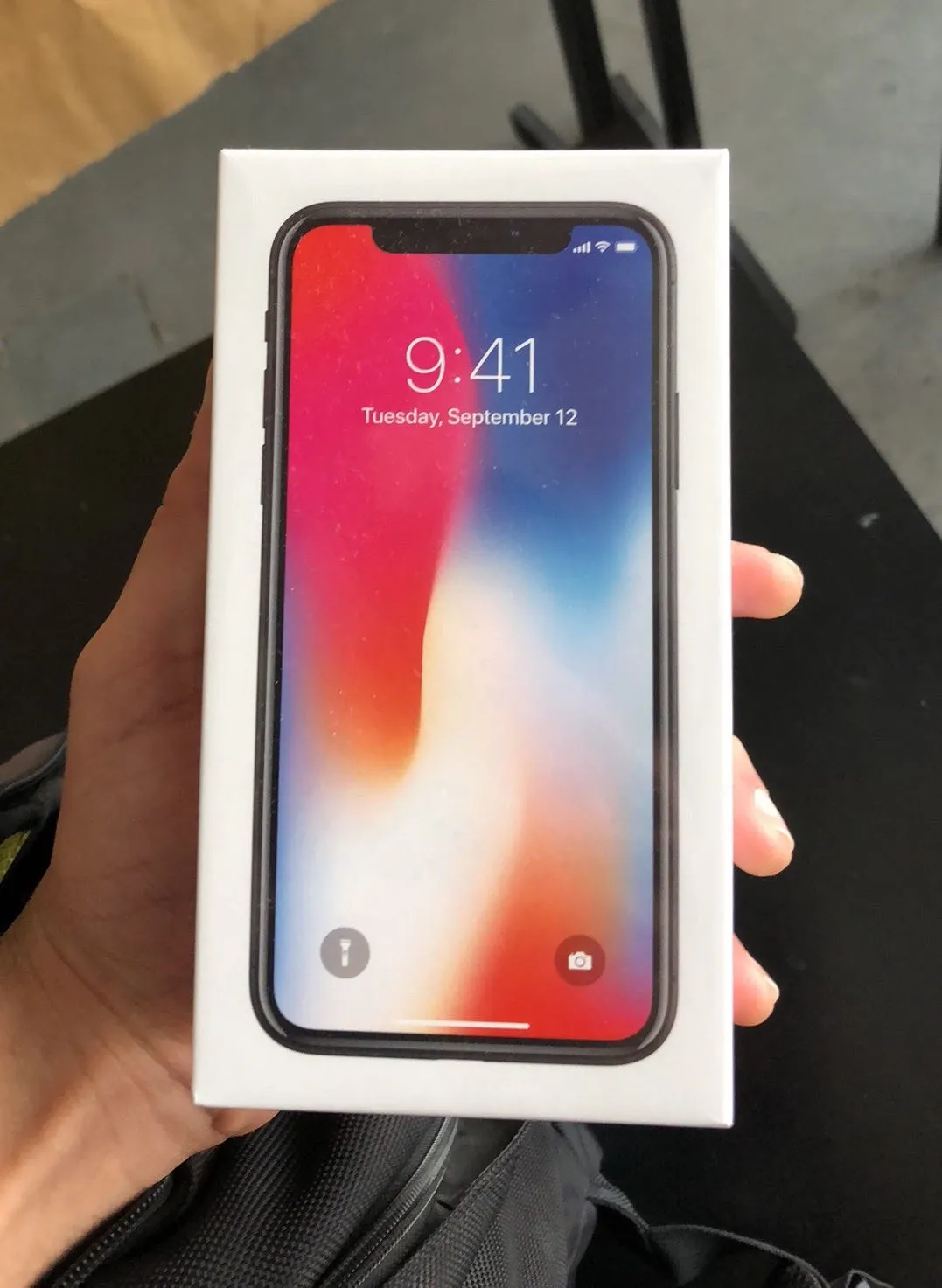
I happened to get my hands on the newly launched and much hyped iPhone X recently around Jan 10. Having watched MKBHD's, Mr Mobile's and a ton of other reviews on YouTube, I was quite excited to getting my hands on to this much celebrated future of the smartphone. Now I've been a long time iOS user which means that I'm deeply entrenched in the ecosystem. I've also bought some additional iCloud storage for my important documents to be backed up at all times (The lord knows that has come really handy when my 2015 MBP crashed for no reason one day! but that's a story for another day…).
Right, so let's get back to the iPhone X, umm… where do I start with this. My last phone was an iPhone 8+ so I was pretty used to the much faster processing speed of the new A11 Bionic chip that Apple had been boasting about since last September. I was quite surprised when I actually used it as I'd moved from an iPhone 6 to an iPhone 8+ so yes, the differences in the phone experience were quite stark specially when it came to using native apps like the App Store, Apple Music & Mail. Additionally, I could really see how the 5.5 inch retina HD display helped provide a much more visually immersive experience. Among many other things that include my first tryst with the Taptic engine, I found the 8+ to be quite a shift in the iPhone experience since my last iPhone 6 (can't say that for people upgrading from 7 though) but we won't talk about that here, we'll critique the iPhone X right from some aspects such as:
- Product Design (form + material)
- The newly introduced Interaction Paradigm (No home button, whaaaa!)
Product Design
Okay, so the first and foremost point: the material of the phone, now this phone has an all glass body which means that it does look great to look at but when you hold it that's when you start feeling the delicately carved surface and since this is a pretty pricey machine you gotta be EXTREMELY careful to not let it slip out!
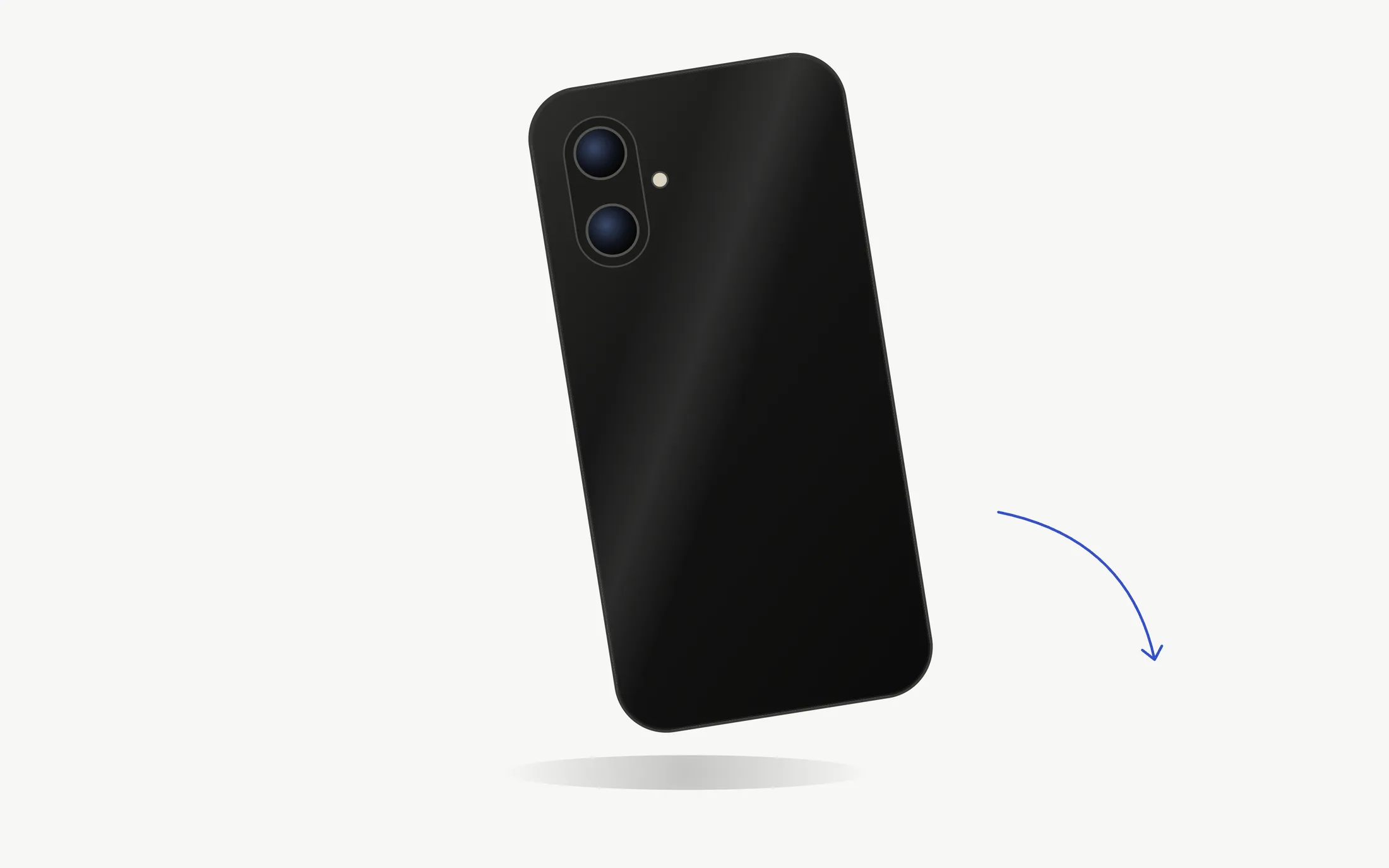
So, when I'd unboxed my device for a couple of hours, I found myself feeling a extra cautious while slipping it into my pocket or just keeping it by the side of my desk. Glass as a material implies a certain sense of enabling immediate scratchability into my mind although I was well aware of the materials ability to handle scratches having watched a bunch of tests on YouTube prior to getting the device.
Form
The rounded corners that actually date back to the first iPhone ever provide great familiarity with the friendly form factor that's been running in the legacy apart from the 4 & the 5. The rounded glass as I have believed contributes to a variety of factors:
- Feels comfortable while holding (scenarios like taking a picture or talking on a call)
- Easy to pick up from flat surfaces (although this all glass body does have it's nuanced frustrations while doing that)
- A better grip for a one handed approach of accessing the volume buttons or the notification center
That being said, In today's times I would rarely use the phone without a case so I was quick to order a neat case from my trusted case manufacturer Spigen. For a lot of years now, I've trusted Spigen with my choice for cases just for the sheer meticulousness they put in their manufacturing. The liquid case that is wrapped around my phone gives it a warm feel and a secure enclosure around my pretty little really expensive device!
Handling
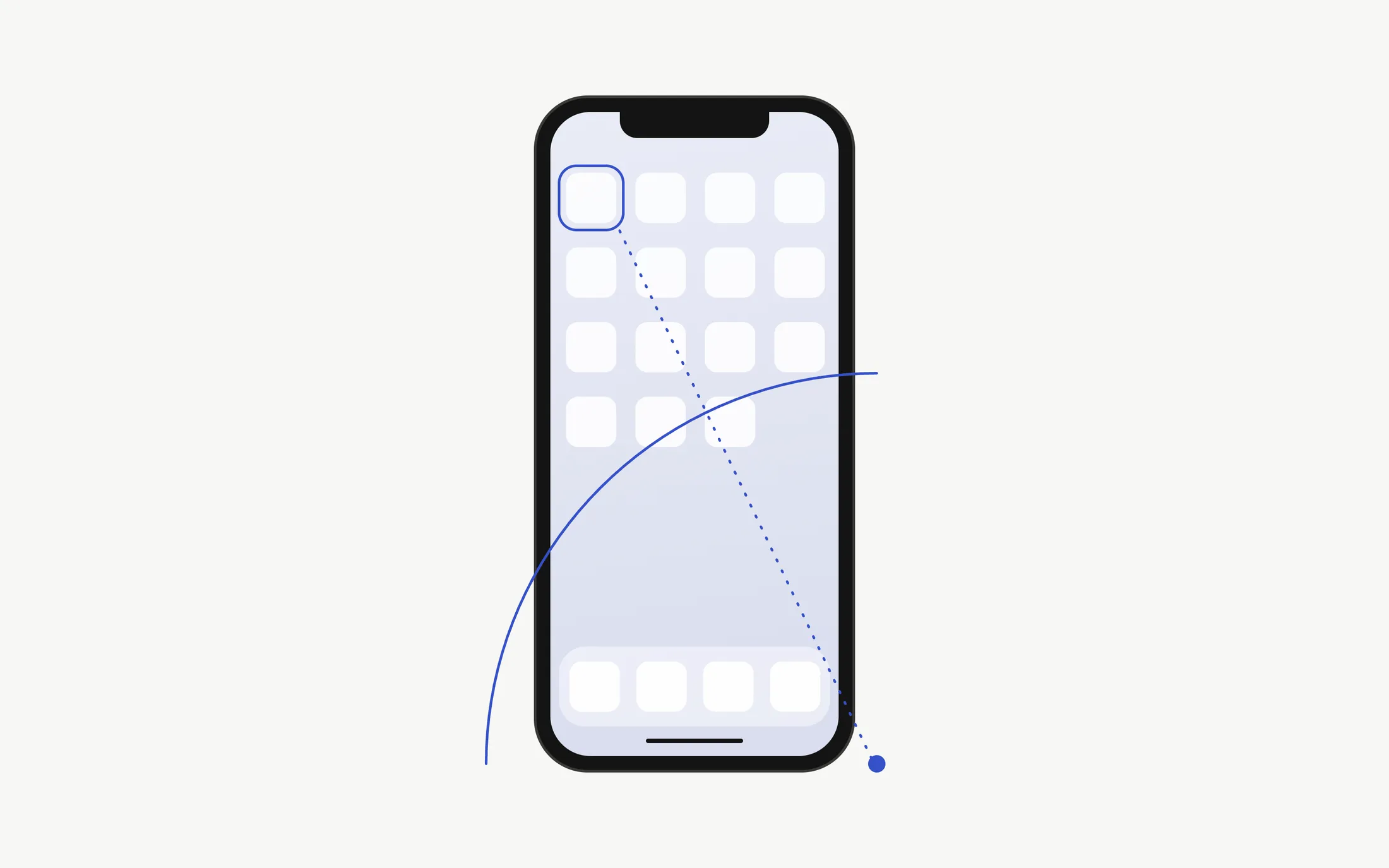
I have always believed that I've got a relatively larger set of palms on me and that has actually helped me get a much firmer grasp on the phone but the overall size of the phone feels slightly bigger than the iPhone 6 which makes it a little more difficult for me to reach the top without having to adjust my grip and since the glass is a little slippery so I find myself using the other hand quite often to access the silent and volume buttons
The Display
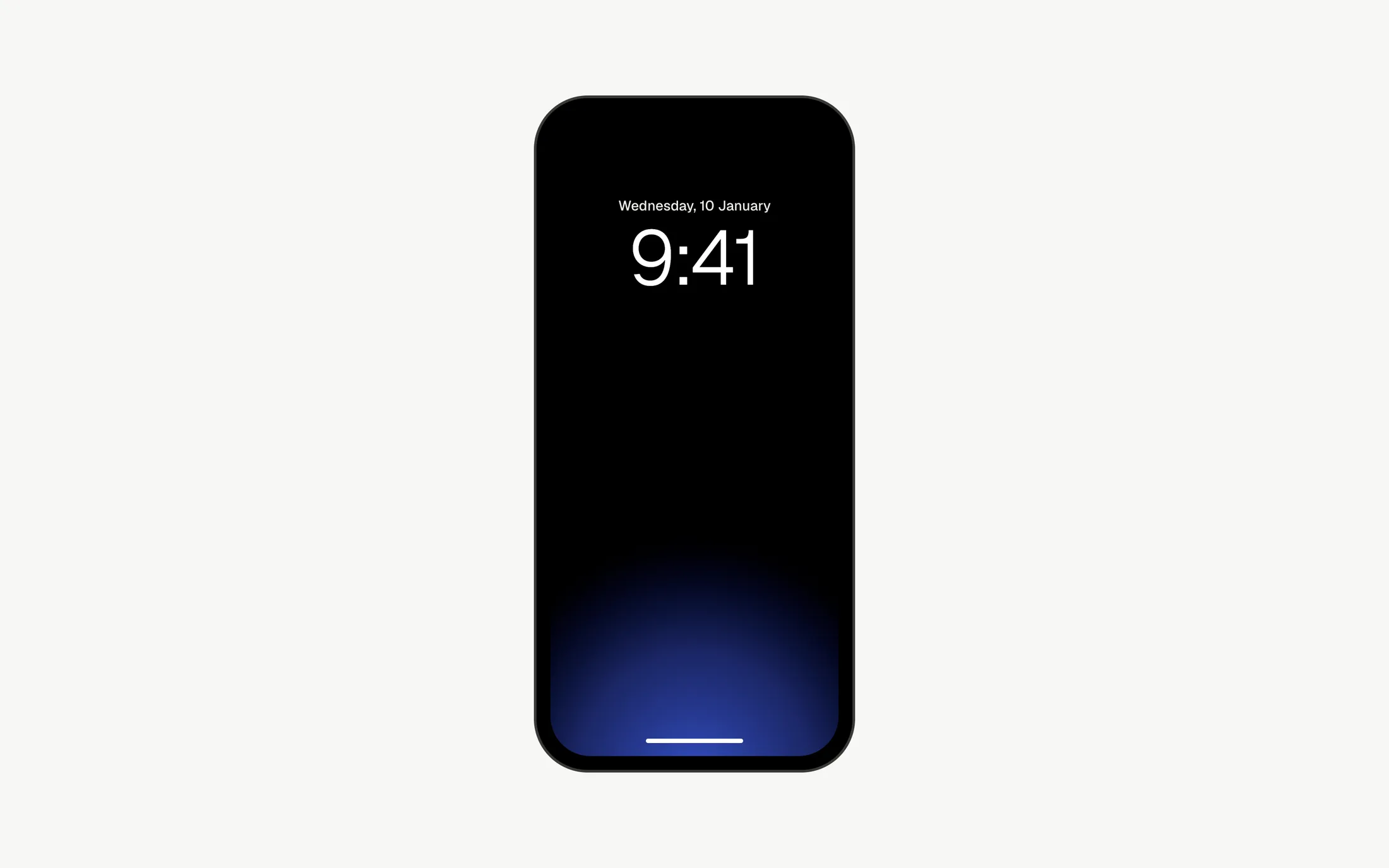
The display does come across a striking attribute of the phone's novelty as it's also the first OLED on an iPhone, the colours are striking and their perceived rendering is at the first glance much better than the LCD's used on previous versions. Apple calls it the Super Retina HD display. In my first month's usage I find it to render colours quite accurately especially black. The display enables the interface to unify harmoniously blend with the body of the phone and provides solid contrast even in low brightness, so yes it is the best display yet on an iPhone and due credit must be given to Samsung which has also been incorporating these in their flagships since the S6 (kindly correct me if I'm wrong here)
The Camera Bump
Okay so when your phone's lying on the table and you don't feel like holding on to the body and using it, the camera bump can be REALLY irritating! Now I do understand that this protrusion is an essential bit to making the telephoto cameras work together for arguably one of the best image producing smartphone cameras out there so I feel that scenario has been tackled by my case so I'm ok with that for now.
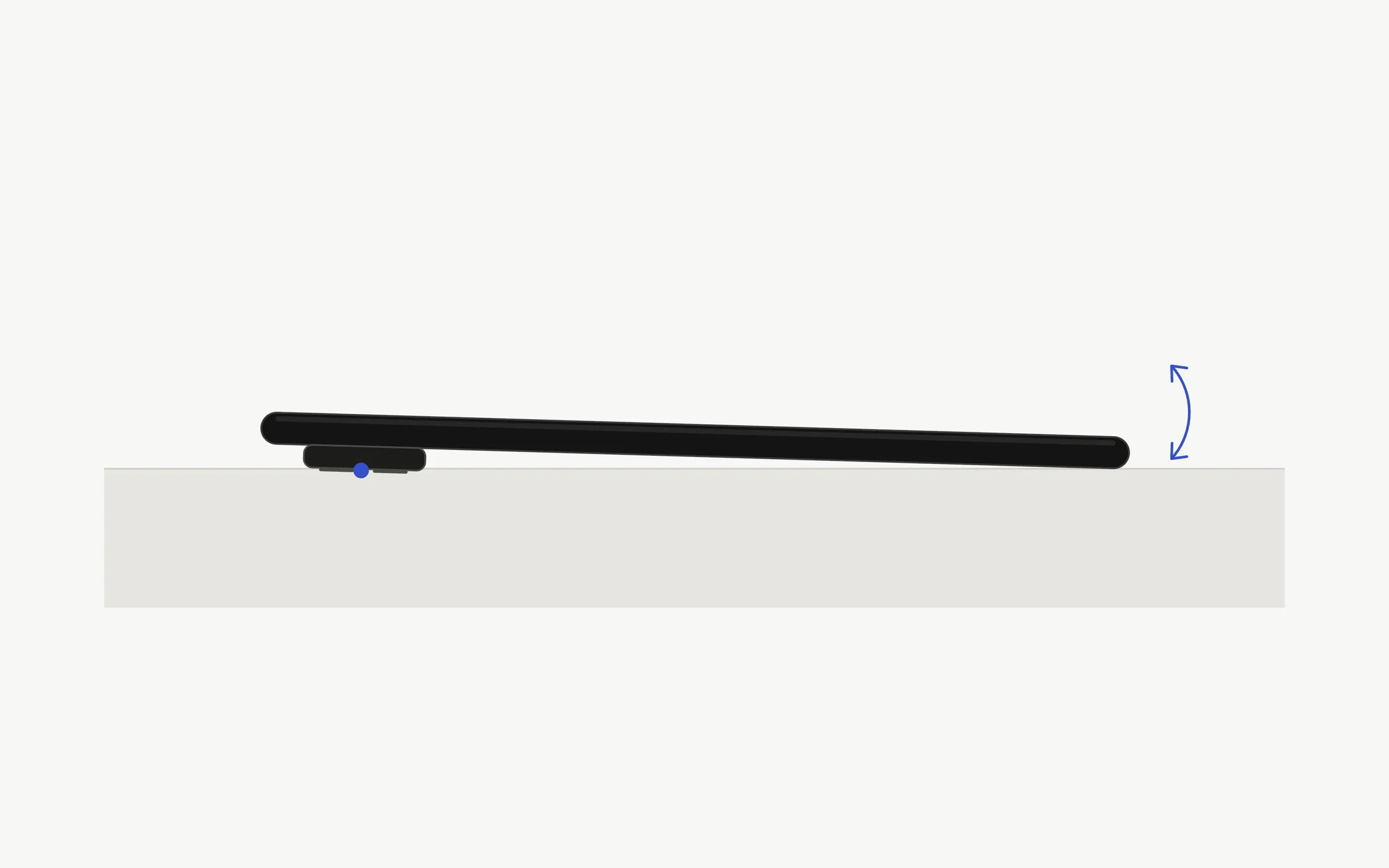
Overall, the phone's form does not diverge greatly from its predecessors but I must say that it does feel a little more delicate to hold and if you're going to have one without a case you'll really have to be careful while putting it down on surfaces primarily due to accidentally hitting the camera bump or scratching the glass back.
The New Interaction Paradigm
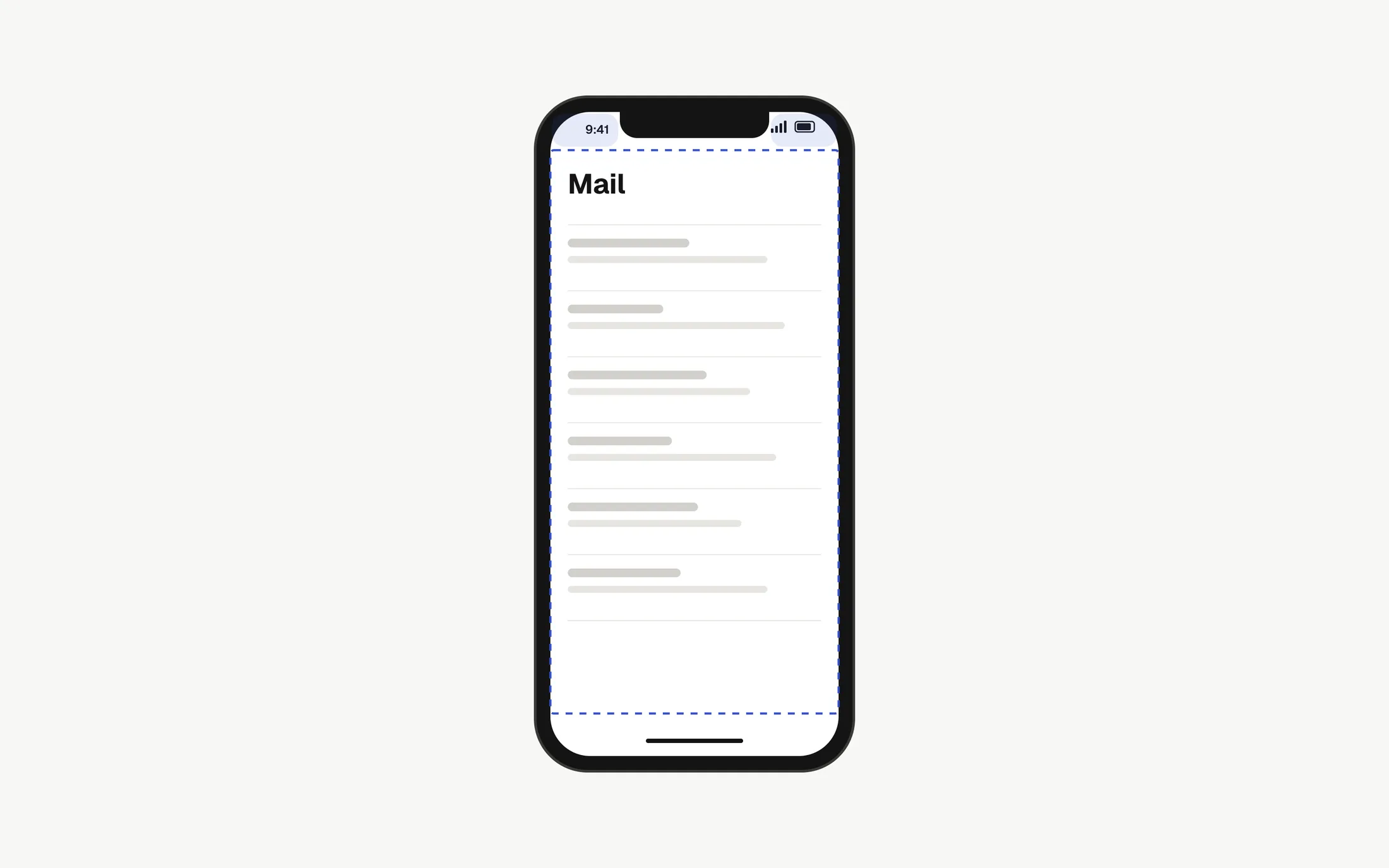
Now Apple claims to have rethought iOS 11 for the iPhone X and this rethinking has been influenced by the supposedly all screen marketing term that they've adopted. I agree that their all screen terminology is a discontinuation of the top and bottom bezels of the previous iPhones and in their definition of what they've assigned as screen real estate to the iPhone since the dawn of time, they stand corrected. The iPhone X then has an immersive least amount of screen to body ratio but with a regular thick padding bezel on all sides that are completed with the sensor housing situated at the top of the display which is popularly known as the "notch" without the acknowledgement of which we cannot discuss the interface and the interactions involved!
Face ID
This is a tough bird to lay a final and binding judgement on. When you onboard the phone for the first time you gotta scan your face move it round and round in a circle iteratively twice for the device to map out data points out from your face and then also add a passcode for additional security. Now in the beginning I was impressed by the seemingly simple setup of what Apple claims to be the always learning and improving secure mechanism to protect your device but in my experience yet I've faced a couple of scenarios where this has frustrated me enough to think about the ignored value that Touch ID brought to my life in the previous iPhones. Some of the scenarios where Face ID performs well are:
- Low light conditions
- Smudged front camera
- Pulling the phone out of my pocket and just swiping to open the phone
Although these are no major points where the Face ID has outperformed the expectations but I do understand that this first in an iPhone security protocol is fast and at least matching up to the marketing promises Apple has made.
Now, points of frustrations that I also face while complying with Face ID are:
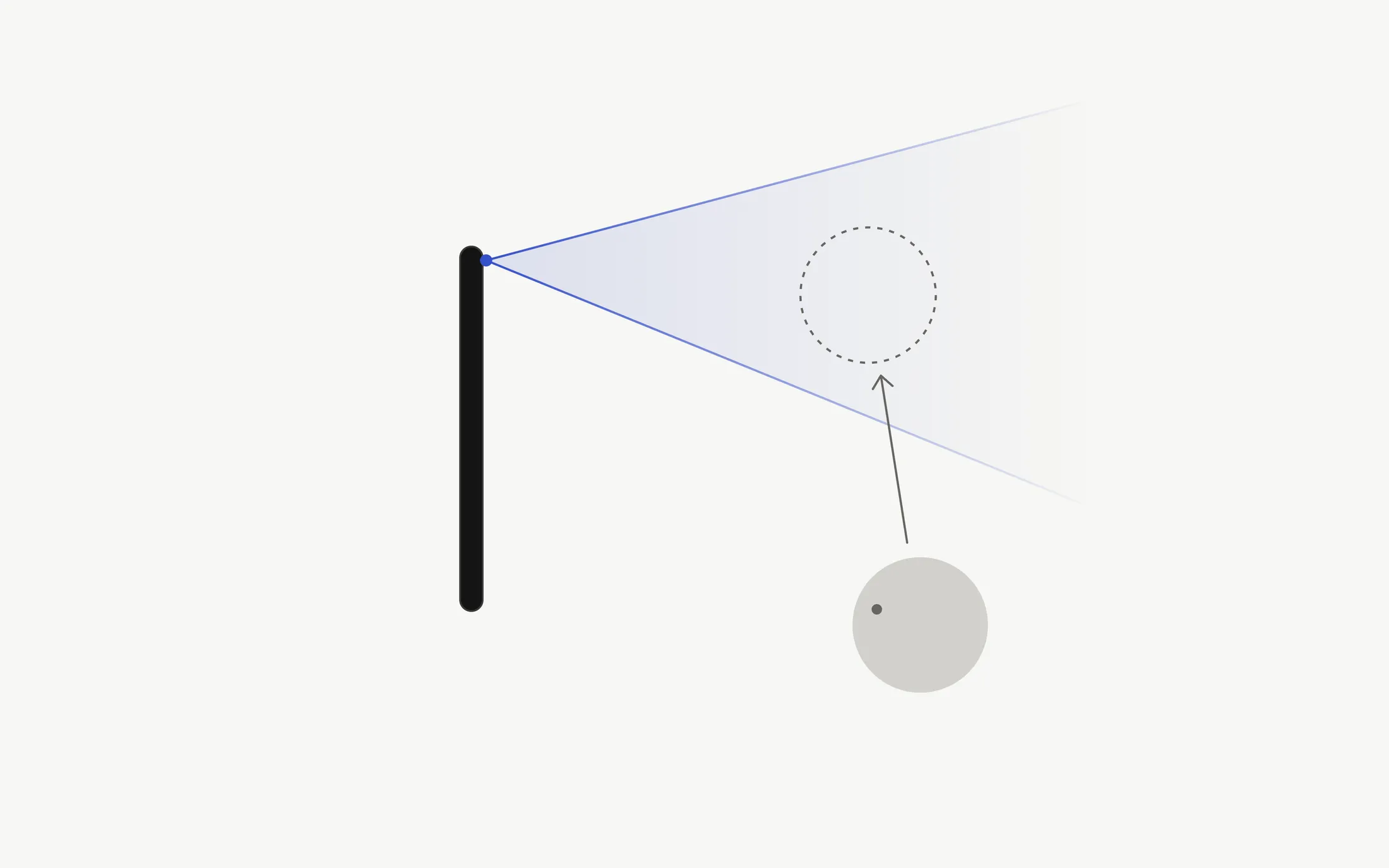
- Face ID failing while I'm lying in my bed with my face at a palms distance from the phone (guess the dot projector does not have the capability to map proximity yet)
- Even if I'm holding the phone at an apparent"right" distance from my face it refuses to open once or twice which leaves me retrying and deliberately trying to evade the passcode option that it passes upon the first failure
- In the case of extreme sunlight (and I live in a region that has the sun shining down on you like rains on a mountain!) Face ID bailed on me.
- Face ID randomly failing: this has to be the most frustrating bit of them all because then it makes me type the passcode in as the only way to unlock the phone
Although I do think that Face ID is a promising technological design decision taken by Apple but I hope to see how their neural engine can adapt and learn faster to minimise errors during usage as right now one more critical observation that I have is that the entire Face ID unlocking process has gotten a little slower as my phone continues to bundle up more applications processing in the background so I'd also be interested in seeing how future updates are going to be tackling that as Apple has already been criticised for its decision of slowing down prior iPhones.
BTW regarding that swimming pool scene in the design film, I've tried to unlock my phone at that angle and it just doesn't work, I'd have to lean more into the cone of the projector in order to unlock that so I'm a little confused there!
No Home Button
This arguably has to be the most radical yet rational move that only complements the all screen design of the phone. Now this is something that IMHO takes a little getting used to since pressing down on the home button is a legacy behavioral characteristic while using the previous iPhones. The horizontal bar itself enables a couple of additional interactions with the interface other than simply swiping up to exit an application. Some of the things that I appreciate
- Swiping horizontally to quickly switch between applications (this is a big plus)
- Easier accessibility (Just swipe down on the bar to bring down the entire view which earlier used to be double tap for the home button)
Something that wasn't very intuitive was how to launch the multi-application view and quit applications which I figured was swiping up, holding and waiting till all the applications appeared. To quit applications, you have to again long press on one of the applications and then swipe up to close. Yeah, this is a hugely contrasting interaction as opposed to double clicking the home button and swiping up the applications in previous iPhones.
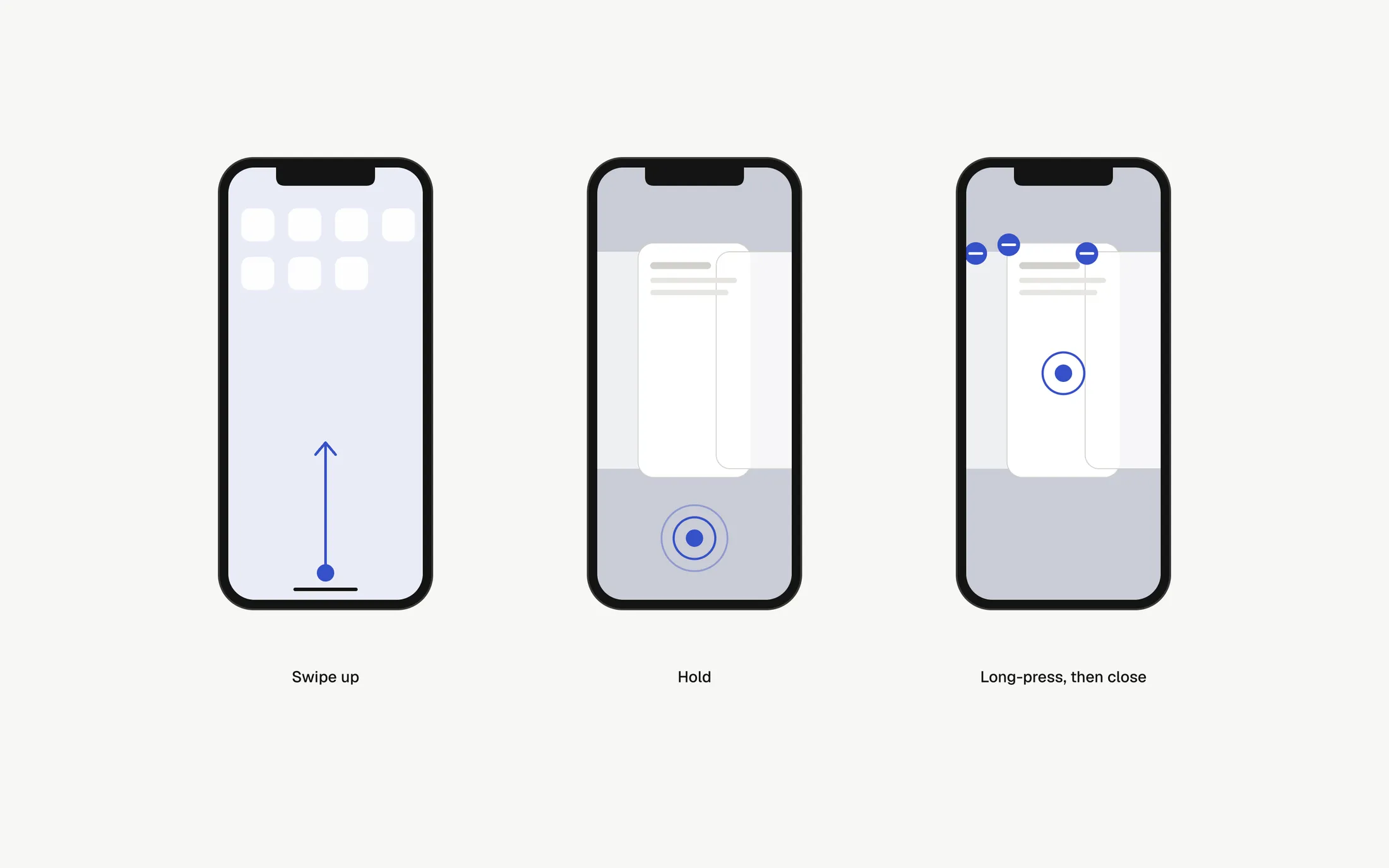
There are some more quirks to getting into the all application view as pointed out in the reviews by MKBHD and I do feel that having a "clear all" option like cough *Android* cough would be a great addition but then again it's Apple and I'm looking forward to see how if at all they choose to iterate on this!
iOS 11
The operating system for this phone has been tweaked and customised to adapt to the industrial design decisions at the first glance i.e. the application windows adopting the rounded corners of the edges but at a deeper look I've been observing some nuances that have integrated into tightening the overall experience. Though I don't feel that the OS is quite there yet in terms of fully utilising the screen real estate that the device has to offer but I am hoping to see some of the much admired apps breaking conventional interface guidelines to really bring forward novel approaches to making their content shine in the future.The phone does seem like a promising start to how we've always fantasised about all screen devices in our apparent future, some popular references right here.
I'm still using the device and hoping that future software updates will make the device faster smarter and tackle some personal observations that I've listed during my experience with the device. Let me know your observations and what you think about what Apple is selling as the future of the smartphone!